
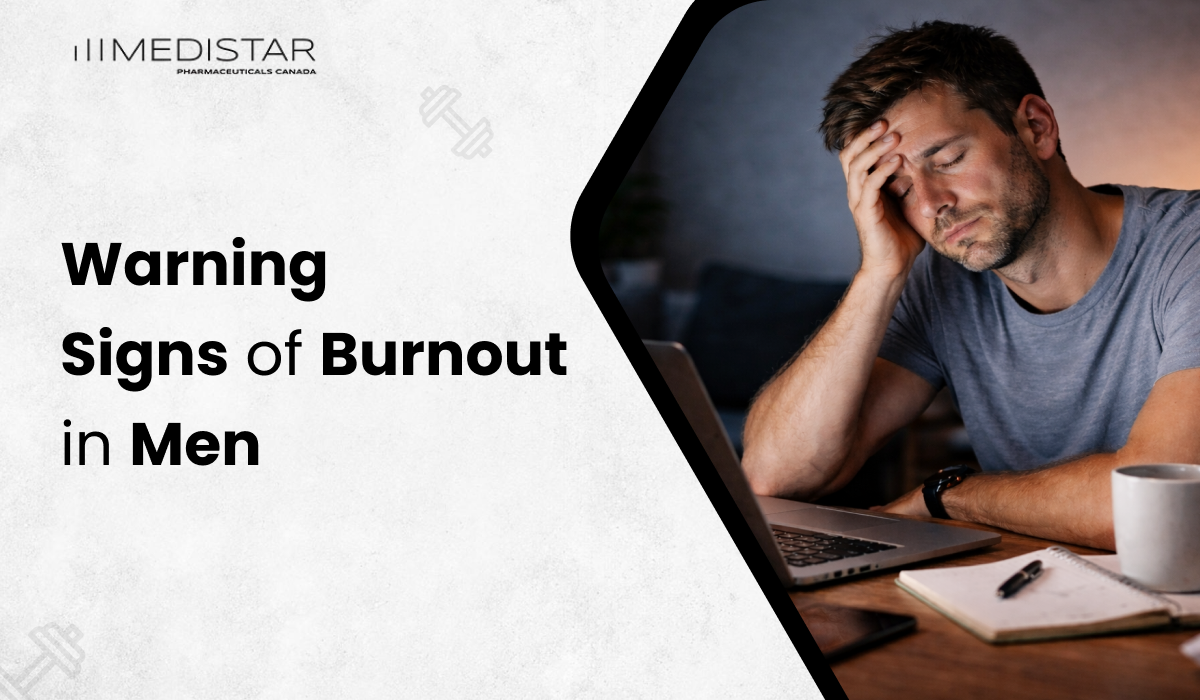
Burnout is now a health issue, especially for men. Men often fail to recognize stress due to long work hours, financial obligations, social pressures, and the pressure to “stay strong.” Men’s burnout often goes unnoticed until their physical or emotional health declines.
Gradual burnout differs from temporary stress. Over months, unresolved pressure turns motivation into exhaustion and confidence into detachment. Men often suffer from male burnout without realizing it. They may act irritable, withdrawn, or exhausted instead of expressing their emotions.
Recognizing early burnout in men symptoms is essential. Chronic stress can harm relationships, productivity, and well-being if ignored. Understanding men’s burnout is the first step to prevention and recovery.
Key Insights
- Overworking, irritability, and emotional withdrawal can mask men’s burnout symptoms.
- Men often develop workplace burnout symptoms like fatigue, cynicism, and decreased productivity.
- Emotional burnout men experience may present as anger, numbness, or detachment rather than sadness.
- Male burnout symptoms like fatigue, headaches, and sleep issues are real and often ignored, but they indicate prolonged stress.
- Chronic stress men face can escalate from workplace exhaustion into broader mental health concerns if left unaddressed.
- Set boundaries, prioritize sleep, exercise, and balanced nutrition, and seek professional help to recover.
- Early help improves outcomes. Recognizing men’s burnout symptoms early can prevent long-term emotional and physical damage.
What Is a Burnout?
Chronic stress causes physical, emotional, and mental burnout. Work stress causes it most often, but caregiving, financial strain, and long-term personal stress can too. Burnout lasts longer than a weekend or good night’s sleep, unlike stress.
Many men link burnout to their careers. Financial security, career success, and responsibility are often psychologically significant. Men in high-demand or leadership roles can burn out from performance pressure.
Burnout typically has three core components:
- Exhaustion: Physical and emotional fatigue that doesn’t improve with rest
- Cynicism or detachment: Feeling disconnected from work, people, or responsibilities
- Reduced effectiveness: Declining productivity and sense of accomplishment
When left unaddressed, prolonged chronic stress men face can evolve into severe fatigue, emotional withdrawal, and loss of motivation.
Early Signs of Burnout in Men at Work
The early signs of burnout in men at work are often subtle and easy to overlook. Many men dismiss them as temporary stress or workload pressure. However, when these signs persist, they may indicate developing burnout in men symptoms.
Common early warning signs include:
- Persistent fatigue: Feeling physically and mentally drained, even after adequate rest.
- Reduced concentration: Difficulty focusing on tasks or making decisions.
- Declining motivation: Loss of enthusiasm for projects that once felt meaningful.
- Cynicism toward work: Increased negativity about leadership, colleagues, or responsibilities.
- Irritability: Overreacting to minor workplace frustrations.
- Emotional detachment: Feeling disconnected from work outcomes or team goals.
- Decreased productivity: Tasks taking longer than usual to complete.
- Overworking without satisfaction: Extending hours but feeling no sense of accomplishment.
Many men experiencing occupational burnout men commonly face, may attempt to compensate by pushing themselves harder.
Emotional Signs of Burnout in Men
Common emotional signs of burnout in men include:
- Irritability or anger: Reacting quickly with frustration over minor issues.
- Emotional numbness: Feeling disconnected from emotions or unable to experience joy.
- Loss of enthusiasm: Reduced interest in work, hobbies, or social activities.
- Hopelessness: Feeling stuck or believing nothing will improve.
- Detachment from loved ones: Becoming emotionally distant in relationships.
- Increased sensitivity to criticism: Taking feedback more personally than usual.
- Low self-worth: Feeling ineffective despite effort.
In many cases, emotional burnout men experience is masked by outward productivity. A man may work while exhausted or disengaged. This distance can strain relationships and increase isolation.
If you’re wondering how to tell if a man is burned out, emotional withdrawal is often one of the strongest indicators. Burnout-related emotional exhaustion, in contrast to transient stress, often lasts and gets worse over time.
Behavioral Signs of Burnout in Men
Common behavioral signs include:
- Overworking excessively: Staying late, skipping breaks, or constantly checking emails without feeling productive.
- Avoidance of responsibilities: Procrastinating or disengaging from tasks that once felt manageable.
- Social withdrawal: Canceling plans, isolating from friends or family.
- Increased alcohol or substance use: Using coping mechanisms to numb stress.
- Neglecting physical health: Skipping workouts, poor eating habits, ignoring medical concerns.
- Loss of interest in hobbies: Abandoning activities that once provided enjoyment.
- Short temper in personal settings: Carrying workplace frustration into home life.
Physical Signs of Burnout in Men
In addition to affecting your emotions and mental health, burnout can also affect your body. The body often signals distress before a man realizes it. Recognizing the physical signs of burnout in men (fatigue, headaches, sleep problems) is critical for early intervention.
Common physical symptoms include:
- Persistent fatigue: Feeling tired even after adequate sleep.
- Frequent headaches: Tension headaches linked to prolonged stress.
- Muscle tightness or body aches: Especially in the neck, shoulders, and back.
- Sleep disturbances: Difficulty falling asleep, staying asleep, or waking unrefreshed.
- Digestive issues: Upset stomach, bloating, or irregular appetite.
- Weakened immunity: Getting sick more often than usual.
- Low energy levels throughout the day: Struggling to maintain stamina.
These symptoms are often dismissed as minor inconveniences. However, prolonged chronic stress men face keeps the body in a heightened “fight-or-flight” state. Over time, this drains physical reserves and contributes to deeper male mental exhaustion.
How Does Burnout Show Differently in Men Than Women?
Burnout affects both men and women, but the way it presents can differ significantly. Understanding how burnout shows differently in men than women helps identify symptoms that might otherwise be overlooked.
Men are often conditioned to suppress emotional vulnerability. As a result, the signs of burnout male individuals experience may appear more behavioral or physical rather than openly emotional. Instead of expressing sadness or overwhelm, men may display:
- Anger instead of tears: Frustration and irritability can replace visible emotional distress.
- Emotional shutdown: Withdrawing rather than discussing stress.
- Increased risk-taking behaviors: Reckless decisions or impulsive actions.
- Over-identification with work: Using productivity to mask exhaustion.
- Physical complaints: Headaches, fatigue, and sleep issues rather than verbalizing emotional strain.
Women, on the other hand, may be more likely to express emotional exhaustion openly. Men may internalize it until it manifests as emotional burnout men experience in subtler ways.
Burnout vs Depression in Men
Understanding men’s burnout vs. depression is crucial. While the two conditions have similar symptoms, they are different, and proper support and treatment require distinguishing them.
| Factor | Burnout in Men | Depression in Men |
| Primary Cause | Chronic work-related or situational stress | Multifactorial (biological, psychological, environmental) |
| Scope of Impact | Mostly tied to work or a specific stressor | Affects multiple areas of life (work, relationships, hobbies) |
| Emotional Pattern | Cynicism, irritability, emotional exhaustion | Persistent sadness, hopelessness, guilt |
| Energy Levels | Exhausted but may feel better away from stressor | Ongoing low energy regardless of situation |
| Motivation | Reduced motivation toward work tasks | Reduced motivation toward almost everything |
| Response to Time Off | May improve temporarily with rest | Typically does not improve with rest alone |
| Risk Factors | High-pressure roles, prolonged occupational stress | Family history, trauma, biochemical factors |
Men experiencing burnout in men symptoms may still enjoy personal relationships or hobbies when removed from work stress. In contrast, depression often creates a persistent low mood that doesn’t lift even during positive experiences.
However, untreated occupational burnout men commonly face can increase vulnerability to depression over time. That’s why early intervention is important.
Several people opt for thermogenic growth hormones and steroids. In such cases it is best to look out for platforms like Medistar Canada, where you can find the best products at an affordable price.
Recovery Steps for Men with Burnout
The key recovery steps include:
- Set work boundaries: Limit overtime and disconnect after work hours to reduce ongoing stress.
- Prioritize sleep: Consistent, quality sleep helps reduce male mental exhaustion.
- Reintroduce exercise: Physical activity supports stress regulation. Learning about the physical and mental benefits of strength training can help rebuild energy and resilience.
- Improve nutrition: Proper fueling, including foods for muscle recovery, supports physical recovery from prolonged stress.
- Talk about stress: Addressing emotional burnout men experience reduces internal pressure.
- Seek professional support: If symptoms persist, consulting healthcare providers can help distinguish burnout from other conditions.
Recovery from burnout involves restoring balance, not reducing ambition. Men can reverse burnout symptoms with early intervention.
Conclusion
The signs of burnout in men are often subtle, masked by productivity, silence, or irritability. What may appear as overwork or mood changes can actually signal deeper male burnout symptoms driven by prolonged stress.
Early signs of burnout in men, whether they are emotional, behavioral, or physical, can be caught early and treated before they get worse and cause more serious mental health problems. It’s just as important for men to know the difference between burnout and depression so they can get the right kind of help.
FAQs
What are the most common signs of burnout in men?
The most common signs of burnout in men include persistent fatigue, irritability, emotional withdrawal, reduced motivation, sleep disturbances, and declining productivity. Many men also experience physical symptoms such as headaches or muscle tension alongside male mental exhaustion.
How does burnout in men differ from depression?
The key difference between burnout vs depression in men is scope. Burnout is typically linked to work or a specific stressor and may improve with rest or reduced pressure. Depression affects multiple areas of life and often persists even when external stressors are removed.
Can burnout cause physical symptoms in men?
Yes. Physical signs of burnout in men (fatigue, headaches, sleep problems) are common. Chronic stress can also contribute to digestive issues, lowered immunity, and long-term health concerns if not addressed.
How to tell if a man is burned out?
If a man becomes emotionally distant, constantly exhausted, irritable, or disengaged from work or relationships, or shows behavioral changes like overworking or isolation, these may be warning signs. Recognizing patterns over time is key.
What are recovery steps for men with burnout?
Set clear work boundaries and prioritize sleep, regular physical activity, a healthy diet, and emotional stress management for recovery. Talking to doctors about persistent symptoms can help you decide what to do.
Disclaimer: This content is for informational purposes only and is not medical advice. Always consult a healthcare professional before using any steroids, SARMs, or supplements. Use products responsibly and in accordance with Canadian laws.