
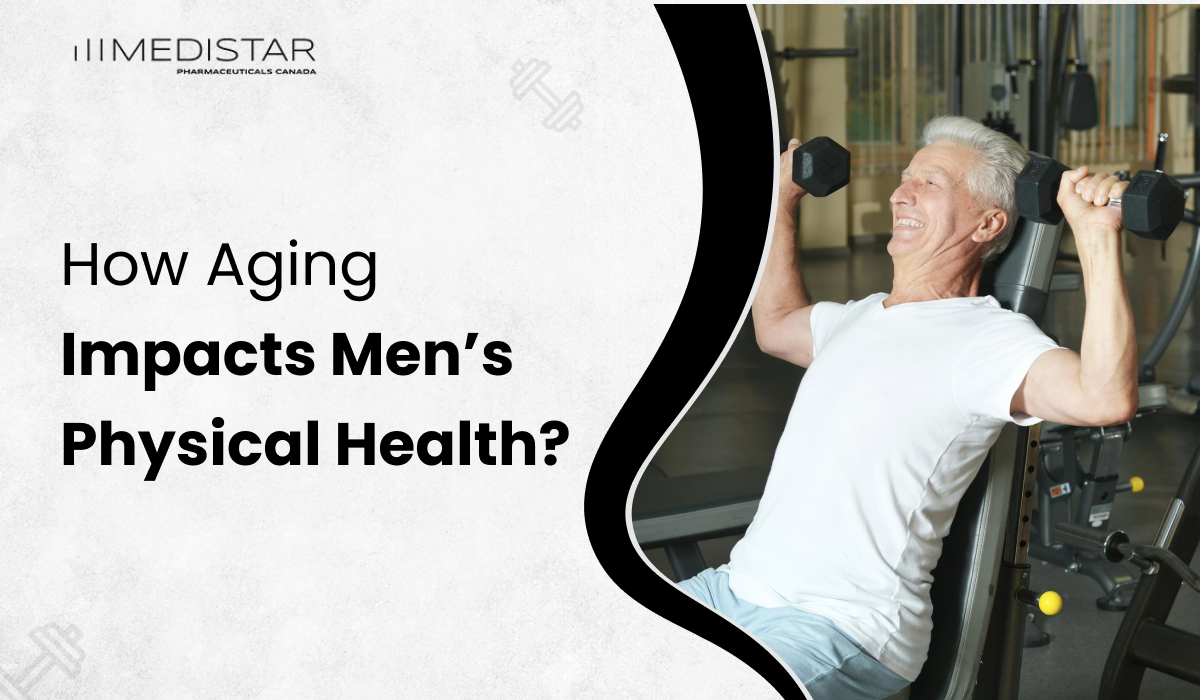
Aging is a natural part of life, but understanding the Impact of Aging on Men’s Physical Health can help men make informed choices to stay strong, active, and healthy. The male aging process involves several biological changes that affect muscle mass, hormone levels, metabolism, and overall stamina.
While some physical changes are expected as part of the male aging timeline, adopting healthy habits can significantly improve long-term wellbeing. By recognizing how aging affects men’s body health, men can take proactive steps to maintain energy, strength, and vitality well into their later years.
Key Insights
- Impact of Aging on Men’s Physical Health becomes noticeable gradually, with many physical changes beginning in the late 30s or early 40s as part of the male aging timeline.
- One of the most common physical changes in men with age is the decline in testosterone levels, which can influence muscle mass, energy levels, metabolism, and overall stamina.
- Muscle loss in men with age (sarcopenia) typically starts after 40 and can reduce strength and endurance if not managed through regular exercise and proper nutrition.
- The effects of aging on men also include slower metabolism, joint stiffness, and reduced recovery after physical activity.
- Maintaining men’s health after 40 requires consistent lifestyle habits such as strength training, balanced nutrition, stress management, and quality sleep.
- Preventive healthcare and routine medical checkups play an important role in managing the male aging process and detecting potential health issues early.
Understanding the Male Aging Timeline
The male aging timeline does not happen suddenly. Instead, it progresses gradually over decades. Many men start noticing subtle physical changes as early as their late 30s or early 40s.
One of the most significant changes during the male aging process is the gradual decline in testosterone levels. Testosterone plays an essential role in maintaining muscle mass, bone density, libido, and energy levels. As these levels decrease with age, men may notice changes in strength, endurance, and body composition.
The effects of aging on men may include slower metabolism, reduced recovery after exercise, and a gradual decline in physical performance. However, these changes are not necessarily negative if men adapt their lifestyle to support healthy aging for men.
Common Physical Changes in Men with Age
Understanding the common physical changes in men as they age can help normalize the experience and encourage early health management.
Muscle Loss and Strength Reduction
One of the most noticeable aspects of muscle loss in men with age is a gradual reduction in lean muscle mass, a condition known as sarcopenia. Starting around age 40, men can lose approximately 3–8% of muscle mass each decade.
This decline affects how aging impacts men’s strength and stamina, making regular strength training and proper nutrition essential for maintaining physical performance.
Changes in Energy Levels
Many men notice reduced stamina and increased fatigue as they age. Men’s energy levels with age may decline due to hormonal shifts, changes in metabolism, and lifestyle factors such as stress, poor sleep, or lack of physical activity.
Understanding how aging affects men’s physical health over time can help individuals make adjustments to their routines to support energy and vitality.
Bone Density and Joint Health
As part of men’s health and aging, bone density may gradually decrease. This can increase the risk of joint discomfort or fractures later in life. Maintaining physical activity, especially weight-bearing exercises, helps support bone health during aging.
What Happens to Men’s Bodies After 40?
For many men, men’s health after 40 marks a turning point in the aging process. While physical strength and endurance can still remain high, certain physiological changes begin to appear more clearly.
Metabolism often slows down, which may lead to increased body fat if dietary habits remain unchanged. Hormonal changes may also influence mood, sleep patterns, and energy levels.
Recognizing what happens to men’s bodies after 40 allows men to focus on preventive care, regular health screenings, and balanced lifestyle choices to maintain long-term health.
Normal Signs of Aging in Men After 50
By their 50s, many men begin noticing additional changes related to the effects of aging on men.
Some normal signs of aging in men after 50 include:
- Gradual muscle loss and reduced physical strength
- Slower recovery after physical activity
- Mild joint stiffness
- Changes in metabolism and body composition
- Reduced endurance during exercise
While these changes are natural parts of the male aging process, maintaining a healthy lifestyle can significantly slow their progression.
Normal Signs of Aging at 70 in Men
The normal signs of aging at 70 in men typically include reduced muscle strength, slower mobility, and decreased bone density. However, aging does not necessarily mean losing independence or vitality.
Many older men maintain strong physical health through regular exercise, proper nutrition, and active social lives. Understanding the normal signs of aging at 70 helps set realistic expectations while encouraging proactive health management.
Lifestyle Habits for Healthy Aging for Men
Supporting healthy aging for men involves adopting lifestyle habits that protect strength, energy, and long-term wellness.
Regular Exercise
Exercise is one of the most effective ways to prevent muscle loss in men with age. Strength training, cardiovascular workouts, and flexibility exercises help maintain endurance and physical resilience.
Balanced Nutrition
A nutrient-rich diet supports men’s health aging by providing the body with essential vitamins, minerals, and protein necessary for muscle maintenance and metabolic health.
Hormonal Health Support
Because testosterone levels decline gradually with age, some men explore ways to support hormonal balance. In certain situations, medications or supplements may be considered under professional guidance.
For those researching hormonal support options, some might wish to buy Proviron in Canada through trusted providers like Medistar Canada. However, medical consultation is always recommended before considering any treatment.
How to Maintain Men’s Health After 40?
Maintaining men’s health after 40 requires more conscious lifestyle choices than earlier stages of life. As the male aging process progresses, natural changes such as slower metabolism, gradual testosterone decline, and reduced muscle recovery become more noticeable. However, adopting the right habits can significantly reduce the effects of aging on men and support long-term physical strength and wellbeing.
Below are some important strategies that can help men maintain good physical health and energy as they age.
Maintain a Consistent Fitness Routine
Regular exercise is one of the most effective ways to combat muscle loss in men with age. Strength training helps preserve lean muscle mass and maintain bone density, while cardiovascular exercises support heart health and endurance. Men over 40 should aim for a balanced routine that includes resistance training, moderate cardio, and flexibility exercises such as stretching or yoga. Staying physically active not only supports strength and stamina but also improves mobility and reduces the risk of age-related health conditions.
Prioritize Quality Sleep
Sleep plays a crucial role in men’s health and aging. During sleep, the body repairs tissues, regulates hormones, and restores energy levels. Poor sleep can negatively affect men’s energy levels with age, weaken the immune system, and contribute to weight gain or hormonal imbalances. Men should aim for 7–8 hours of consistent sleep each night while maintaining healthy sleep habits such as limiting screen time before bed and maintaining a regular sleep schedule.
Manage Stress Effectively
Chronic stress can accelerate several aspects of the male aging timeline, including fatigue, hormonal imbalance, and cardiovascular strain. Learning effective stress-management techniques is essential for maintaining both mental and physical well-being. Activities such as meditation, exercise, spending time outdoors, and maintaining strong social connections can help reduce stress levels and support overall health.
Follow a Balanced, Nutrient-Rich Diet
Nutrition becomes increasingly important when supporting healthy aging for men. A diet rich in lean protein, whole grains, healthy fats, and essential vitamins helps maintain muscle mass, support metabolic health, and improve energy levels. Foods high in protein are particularly important for preventing muscle loss in men with age, while micronutrients such as magnesium, vitamin D, and zinc support hormonal balance and bone health.
Schedule Regular Health Checkups
Preventive healthcare is a key component of men’s health aging. Routine medical checkups help detect potential health concerns early and allow men to monitor important markers such as blood pressure, cholesterol levels, blood sugar, and hormone levels. Regular screenings and professional medical advice can help men better manage the physical changes in men with age and maintain long-term health.
By following these lifestyle habits, men can better manage the impact of aging on men’s physical health and maintain strength, confidence, and vitality well beyond their 40s. Consistent effort in fitness, nutrition, sleep, and preventive care plays a vital role in supporting a healthy and active life throughout the male aging timeline.
Conclusion
The Impact of Aging on Men’s Physical Health is a gradual process influenced by hormonal changes, lifestyle habits, and natural biological factors. While aging introduces changes in muscle strength, metabolism, and energy levels, these shifts do not necessarily limit a man’s quality of life.
By understanding how aging affects men’s body health, men can take practical steps to support longevity, strength, and vitality. Prioritizing exercise, nutrition, and preventive healthcare plays a crucial role in achieving healthy aging for men and maintaining a strong body throughout every stage of life.
Frequently Asked Questions
What are the common physical changes in men as they age?
Common physical changes include muscle loss, reduced energy levels, slower metabolism, joint stiffness, and gradual hormonal changes.
At what age do men start experiencing physical health changes?
Many men begin noticing early signs of aging in their late 30s or early 40s, though the process varies depending on lifestyle and genetics.
How does aging affect men’s muscle strength and energy levels?
Aging can lead to reduced testosterone levels, which may contribute to muscle loss and decreased stamina. Regular exercise and proper nutrition help maintain strength and energy.
What are the normal signs of aging in men after 60 or 70?
Typical signs include reduced mobility, lower muscle mass, decreased bone density, and slower physical recovery.
How can men maintain good physical health as they age?
Men can maintain excellent health by exercising regularly, eating balanced meals, managing stress, maintaining healthy sleep habits, and staying proactive about medical care.
Disclaimer: This content is for informational purposes only and is not medical advice. Always consult a healthcare professional before using any steroids, SARMs, or supplements. Use products responsibly and in accordance with Canadian laws.