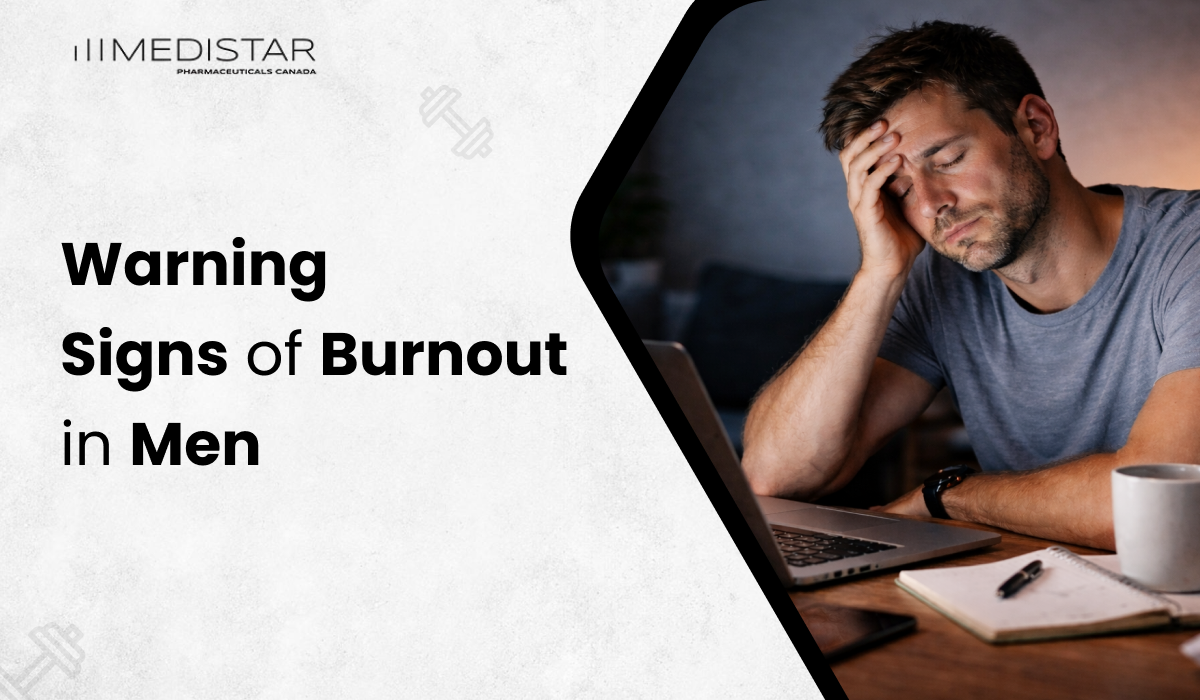

Feeling tired even after a full night’s sleep? Struggling with low energy, reduced muscle mass, or a sudden dip in confidence? It might not just be “getting older.”
Testosterone levels naturally drop about 1% per year after age 30, and studies suggest nearly 1 in 4 men over 30 may experience low levels without realizing it. Many of the signs that a man has low testosterone, like tiredness, a drop in libido, mood swings, and weight gain that won’t go away, are mistaken for stress or being too busy.
In fact, your body lets you know when things are about to get serious.
You can take charge of your health problems early on, before they become normal, if you know how to tell if your testosterone level is too low, which is something men tend to ignore.
Key Insights
- A lot of the time, men’s tiredness, mood swings, and low libido are mistaken for signs of stress, getting older, or having a busy life.
- Early symptoms are usually subtle, including low energy, mental fog, and reduced motivation, making them easy to ignore.
- Physical changes like reduced muscle mass, increased body fat, and slower workout recovery may signal a deeper hormone imbalance.
- Sexual problems like low libido and trouble getting an erection are common warning signs that are often ignored.
- A proper diagnosis requires medical evaluation and blood testing, not just symptom tracking.
- Lifestyle habits significantly impact testosterone levels. Strength training, quality sleep, stress management, balanced nutrition, and maintaining a healthy weight can support hormone balance.
- Early intervention improves outcomes. Addressing symptoms promptly can help prevent long-term complications and restore overall vitality.
Why Testosterone Matters?
Testosterone is one of the most important male hormones, influencing physical strength, mental sharpness, emotional balance, and sexual health. It plays a central role in maintaining muscle mass, regulating metabolism, and supporting overall vitality. When testosterone levels drop, the low testosterone effects on men can extend far beyond libido, impacting multiple systems in the body.
- Regulates energy levels and stamina
- Supports muscle mass and physical strength
- Maintains bone density
- Influences mood and cognitive clarity
- Plays a key role in sexual health and libido
- Supports healthy metabolism
- Helps maintain overall hormonal balance
Early Signs of Low Testosterone in Men
The early signs of low testosterone in men are often subtle and easy to dismiss. Many men attribute symptoms to stress, lack of sleep, or aging. However, persistent low energy, mental fog, and reduced drive may indicate an underlying hormone imbalance.
- Ongoing low energy levels
- Fatigue and weakness despite adequate rest
- Reduced motivation and drive
- Difficulty concentrating
- Mild mood changes or irritability
- Slower recovery after exercise
- Declining enthusiasm for daily activities
Physical Signs of Low Testosterone in Men
As testosterone levels decline further, physical changes may become more noticeable. These changes often affect body composition, strength, and overall physical performance.
- Reduced muscle mass and strength
- Increased body fat, especially around the abdomen
- Thinning body or facial hair
- Lower bone density
- Decreased physical endurance
- Slower workout recovery
- Persistent fatigue
Sexual Symptoms Men Often Ignore
Sexual health is one of the most common areas affected by testosterone deficiency. While occasional fluctuations are normal, consistent changes in sexual function may signal low testosterone levels.
- Decreased libido
- Reduced sexual desire
- Difficulty maintaining erections
- Fewer spontaneous morning erections
- Lower sexual satisfaction
- Reduced sexual confidence
When to Seek Medical Advice?
If symptoms such as persistent fatigue, reduced libido, mood changes, decreased muscle mass, or unexplained weight gain continue for several weeks, it is important to consult a healthcare professional.
While occasional fluctuations in energy or sexual health are normal, consistent patterns may indicate testosterone deficiency in men or another underlying health condition. A proper diagnosis requires clinical evaluation and blood testing, as symptoms alone are not enough to confirm low testosterone levels.
Seeking medical guidance early allows for accurate assessment, safe treatment options, and prevention of long-term complications related to hormone imbalance.
Tests That Help Diagnose Low Testosterone
The following tests help confirm low testosterone and identify the underlying cause:
Total testosterone blood test
This test measures the amount of testosterone in your blood. It is usually done in the morning between 8 a.m. and 10 a.m., when testosterone levels are highest. Doctors often repeat the test twice to confirm results. If you are sick or recently recovered from an illness, inform your doctor, as illness can temporarily lower testosterone levels.
Luteinizing hormone (LH) test
This test checks whether your pituitary gland (a small gland in the brain) is properly signaling your body to produce testosterone. Abnormal LH levels may indicate a hormonal regulation issue.
Prolactin test
This test measures prolactin levels in the blood. High prolactin can sometimes signal problems with the pituitary gland, including possible growths that may affect hormone balance.
Natural Ways to Boost Testosterone
Lifestyle habits have a direct impact on testosterone production. While medical treatment may be necessary in some cases, improving daily routines can naturally support healthy hormone levels.
Here are some of the natural ways to boost testosterone in men:
1. Strength Training
Regular resistance training stimulates testosterone production and helps maintain muscle mass. Focus on compound movements like squats and deadlifts 3–4 times per week.
2. Quality Sleep
Testosterone is primarily produced during deep sleep. Aim for 7–9 hours of uninterrupted rest each night to support hormone balance.
3. Stress Management
Chronic stress raises cortisol, which suppresses testosterone. Practices like walking, meditation, or breathing exercises help regulate stress hormones.
4. Maintain a Healthy Weight
Excess body fat can lower testosterone levels. Sustainable weight management through balanced diet and exercise supports hormonal stability.
5. Balanced Nutrition
Healthy fats, lean protein, zinc, and vitamin D are essential for testosterone production. Avoid extreme dieting, as severe calorie restriction can reduce hormone levels.
6. Limit Alcohol
Excessive alcohol intake can disrupt hormone balance. Moderation helps maintain healthier testosterone levels.
7. Stay Physically Active
Maintaining a consistent daily movement enhances metabolic health, a crucial factor in testosterone production.
If symptoms persist despite lifestyle improvements, consult a healthcare professional for proper evaluation and guidance.
Conclusion
Recognizing the signs of low testosterone men often ignore is the first step toward protecting long-term health. Symptoms like persistent fatigue, reduced muscle mass, mood changes, and decreased libido shouldn’t simply be written off as stress or aging.
Testosterone is a crucial hormone for health, strength, and mental clarity. Even small drops in testosterone levels can have a big effect on daily life.
The good news is that early awareness, lifestyle improvements, and timely medical evaluation can make a meaningful difference. It is also possible to get treated by various sexual aids like viagra and cialis which are easily available on trusted portals like Medistar Canada.
If symptoms persist, seeking professional guidance ensures accurate diagnosis and safe management. Taking action early restores balance and supports stronger, healthier years ahead.
FAQs
What are the common signs of low testosterone in men?
Common signs include persistent fatigue, low energy levels, reduced muscle mass, increased body fat, mood changes, difficulty concentrating, and decreased libido. Some men may also notice reduced strength, slower workout recovery, or thinning body hair.
How do I know if my testosterone is low?
The only way to confirm low testosterone is through a blood test ordered by a healthcare provider. Symptoms alone are not enough for diagnosis, as they can overlap with other health conditions. Morning blood testing is typically recommended for accurate results.
What age does testosterone start to drop in men?
Testosterone levels generally begin to decline gradually after age 30, decreasing by about 1% per year. However, not every man experiences noticeable symptoms, and lifestyle factors can influence how significant the drop becomes.
Disclaimer: This content is for informational purposes only and is not medical advice. Always consult a healthcare professional before using any steroids, SARMs, or supplements. Use products responsibly and in accordance with Canadian laws.