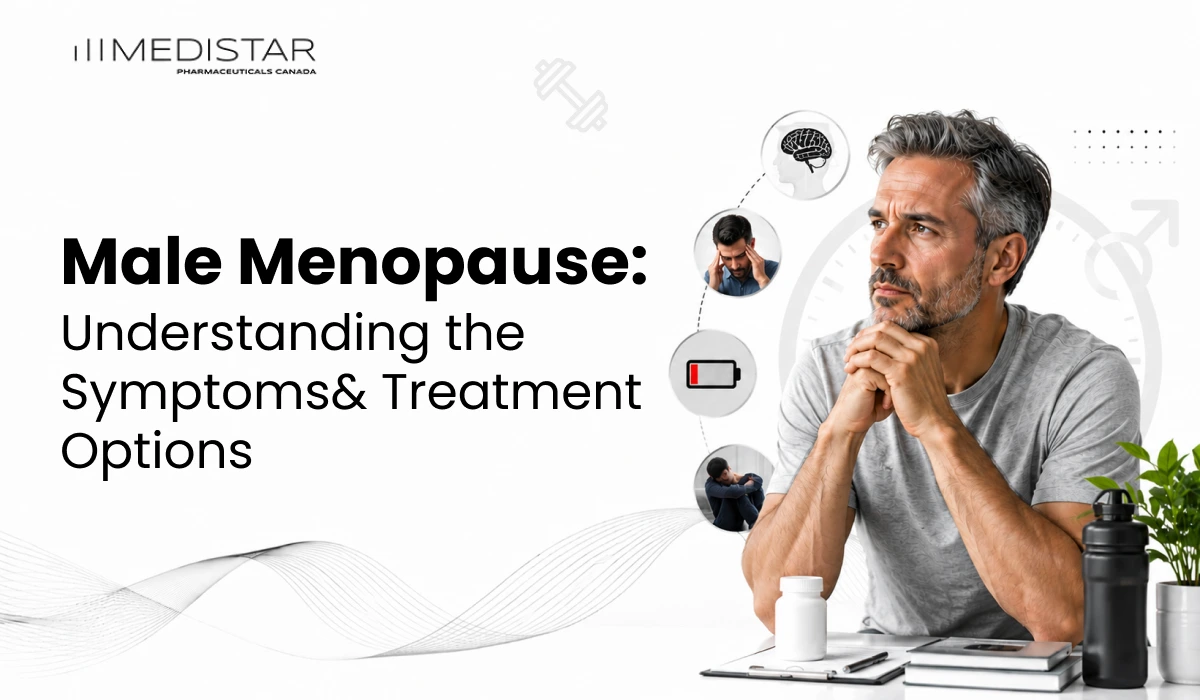
Male menopause, commonly known as andropause, refers to age-related hormonal changes that occur in men as testosterone levels gradually decline over time. Unlike female menopause, which usually happens within a shorter period, male menopause develops slowly and may affect physical health, emotional well-being, energy levels, and sexual function. Testosterone is one of the most important hormones in the male body, playing a key role of testosterone in men’s health muscle strength, mood, bone density, metabolism, and overall vitality.
As men age, natural testosterone production begins to decrease, often starting during the late 30s or early 40s and continuing gradually with age. While this decline is a normal part of aging, some individuals may experience noticeable symptoms that impact their quality of life. Fatigue, mood changes, reduced libido, sleep disturbances, weight gain, and reduced motivation are some common concerns associated with male menopause.
Understanding the symptoms, causes, and available treatment options can help men better manage this stage of life. Along with medical support, healthy lifestyle habits such as exercise, balanced nutrition, stress management, and proper sleep can play an important role in supporting hormone balance and overall wellness.

Key Insights
- Male menopause is linked to the gradual decline of testosterone levels with age.
- Symptoms may affect physical, emotional, and sexual well-being.
- Healthy lifestyle habits can help manage symptoms naturally.
- Treatment options may include testosterone therapy and lifestyle improvements.
- Early awareness and professional guidance may improve long-term wellness.
What Is Male Menopause?
Male menopause, also called andropause, occurs when testosterone levels gradually decrease as men age. Testosterone is the primary male hormone responsible for supporting muscle mass, sexual function, bone health, mood, and overall energy levels.
Unlike female menopause, male menopause does not happen suddenly. Instead, hormonal changes develop slowly over several years. Some men may experience only mild symptoms, while others may notice significant changes in energy, emotional balance, and physical health.
Low testosterone levels may affect various body functions and contribute to reduced vitality and overall wellness. However, understanding these hormonal changes early can help individuals take better steps toward managing symptoms effectively.
1. Common Symptoms of Male Menopause
The symptoms of male menopause can vary depending on overall health, lifestyle, stress levels, and hormone balance. Some of the most commonly reported symptoms include:
Fatigue and Low Energy
Many men experience ongoing tiredness, lower stamina, and reduced energy levels during andropause. Everyday tasks may start feeling more exhausting than before.
Sexual Health Changes
Declining testosterone levels may affect libido and sexual performance. Some men may experience erectile dysfunction, difficulty maintaining erections, reduced energy levels, or mood changes, which are often considered common signs of low testosterone associated with male menopause.
Mood Changes
Hormonal changes may contribute to irritability, mood swings, anxiety, stress, or feelings of sadness. Some men may also notice difficulty concentrating or reduced mental clarity.
Sleep Problems
Poor sleep quality and insomnia are common concerns during male menopause. Interrupted sleep may also contribute to daytime fatigue and low energy levels.
Weight Gain and Muscle Loss
Many men notice increased body fat, especially around the abdominal area, while muscle mass and strength gradually decrease over time.
Reduced Motivation
Some individuals may experience lower motivation levels, reduced productivity, or a general feeling of mental sluggishness due to hormonal changes.
Recognizing these symptoms early may help individuals seek appropriate support and improve long-term health outcomes.
2. Causes of Male Menopause
The primary cause of male menopause is the natural decline of testosterone production with age. Testosterone levels generally begin decreasing gradually after the age of 30.
Several additional factors may contribute to more noticeable symptoms, including:
- Aging
- Chronic stress
- Poor sleep habits
- Lack of physical activity
- Obesity
- Unhealthy dietary habits
- Smoking and alcohol use
- Chronic medical conditions
Lifestyle habits can significantly influence how severe symptoms become during andropause. Maintaining a healthy routine that includes regular exercise, balanced nutrition, proper sleep, and stress management may help individuals maintain testosterone naturally while supporting overall hormone balance and long-term wellness.
3. Testosterone Replacement Therapy (TRT)
One of the most common treatment options for male menopause is testosterone replacement therapy (TRT). This treatment may help men diagnosed with significantly low testosterone levels.

TRT may be available in different forms, including:
- Testosterone gels
- Skin patches
- Injections
- Oral tablets
The goal of TRT is to help improve symptoms such as fatigue, reduced libido, mood changes, and muscle weakness. However, testosterone therapy should only be used under professional medical supervision, as improper use may increase certain health risks.
Regular health monitoring is important during hormone therapy to ensure safe and effective treatment.
4. Lifestyle Changes That May Help
Healthy lifestyle habits can play a major role in naturally supporting hormone balance and reducing symptoms associated with male menopause.
Regular Exercise
Physical activity helps improve energy levels, muscle strength, heart health, and overall fitness. Strength training and cardio exercises may also support healthy testosterone levels. Understanding the physical and mental benefits of strength training may help men maintain better physical performance, emotional wellness, and long-term health.
Balanced Nutrition
A healthy diet that includes fruits, vegetables, lean proteins, healthy fats, and whole grains can support hormone production and overall wellness.
Proper Sleep
Getting around 7–8 hours of quality sleep each night is important for hormone regulation, recovery, and mental health.
Stress Management
Managing stress through meditation, yoga, hobbies, deep breathing, or relaxation techniques may help improve emotional well-being and reduce anxiety.
Maintaining healthy daily habits along with guidance from trusted wellness resources like Medistar Canada may help individuals better understand hormone health and healthy lifestyle practices.
5. Mental Health and Emotional Support
Hormonal changes during male menopause may also affect emotional and psychological health. Some men may experience anxiety, stress, emotional frustration, or depression during this phase of life.
Seeking emotional support through counselling, therapy, or open communication with loved ones may help improve mental wellness. Talking openly about symptoms and emotional concerns can also reduce stress and improve coping strategies.
Support groups and wellness communities may also provide valuable emotional support and shared experiences.
6. Medications for Specific Symptoms
In some situations, doctors may recommend medications to help manage symptoms related to male menopause, especially erectile dysfunction or sexual performance concerns.
Certain medications may help improve blood flow and support erectile function. However, all medications should only be used under professional medical guidance to ensure safety and proper use.
7. Alternative and Complementary Approaches
Some individuals explore natural or complementary approaches to support overall wellness during male menopause. While results can vary, some alternative methods may help support relaxation and energy levels.
Herbal Supplements
Commonly used herbal ingredients include:
- Ginseng
- Ashwagandha
- Maca root
- Tribulus terrestris
Meditation and Mindfulness
Mindfulness practices and meditation may help reduce stress, improve focus, and support emotional balance.
Yoga and Tai Chi
These activities may improve flexibility, balance, relaxation, and overall physical wellness.
Aromatherapy
Essential oils such as lavender and chamomile are often used to promote relaxation and improve sleep quality.
It is always important to consult a healthcare professional before trying supplements or alternative therapies.
8. Daily Habits That Support Hormone Health
Developing healthy daily habits may help support testosterone levels and overall well-being naturally. Healthy nutrition, regular exercise, proper sleep, hydration, and stress management are often included among the top natural ways to boost testosterone and improve overall hormone balance during aging.
Helpful habits include:
- Exercising regularly
- Eating balanced meals
- Staying hydrated
- Managing stress effectively
- Sleeping consistently
- Avoiding smoking and excessive alcohol consumption
Simple daily lifestyle improvements may contribute to better energy levels, improved mood, and stronger physical health over time.
Conclusion
Male menopause is a natural part of aging that occurs as testosterone levels gradually decline over time. Symptoms such as fatigue, mood changes, reduced libido, sleep problems, weight gain, and reduced motivation may affect daily life and overall well-being. However, understanding these changes early can help individuals take better steps toward managing symptoms effectively.
Treatment approaches may include testosterone replacement therapy, healthy lifestyle habits, stress management, regular exercise, proper sleep, and emotional support. Building a balanced daily routine and maintaining healthy habits can significantly improve long-term wellness and quality of life.
By staying informed, seeking professional guidance when necessary, and adopting healthy lifestyle practices, men can better manage hormonal changes and continue maintaining an active and healthy life.
Frequently Asked Questions
What is male menopause?
Male menopause, also called andropause, refers to the gradual decline of testosterone levels in aging men, which may lead to physical, emotional, and sexual health changes.
At what age does male menopause begin?
Symptoms commonly begin during the 40s or 50s, although testosterone levels may gradually start declining earlier.
Can exercise help male menopause symptoms?
Yes, regular exercise may help improve energy, muscle strength, mood, and overall hormone balance.
Is testosterone therapy safe?
Testosterone therapy may help some individuals, but it should only be used under proper medical supervision.
Can lifestyle changes improve low testosterone symptoms?
Healthy habits such as proper nutrition, exercise, stress management, and quality sleep may help support hormone balance naturally.
Disclaimer: This content is for informational purposes only and is not medical advice. Always consult a healthcare professional before using any steroids, SARMs, or supplements. Use products responsibly and in accordance with Canadian laws.